Legacy applications are essential to an organization’s core operations, but, over time, they tend to have reduced efficiency, increased maintenance costs, difficult integration opportunities and a higher degree of security exposure than modern alternatives. Therefore, to make legacy applications more functional over time, they must undergo modernisation; conversely, modernisation can only succeed if there is a systematic and planned approach that does not interfere with normal day-to-day operations.
Why Modernize Legacy Software?
Legacy systems that have been in place for a long time will present challenges to growth and operational risk for your business. The most common problems in this situation include having to pay high costs to maintain the system(s), a lack of scalability for the system(s), not enough options to integrate with other applications, having vulnerabilities regarding security, and having a very limited supply of developers that have experience using the technologies that your legacy systems were made with.
Companies should modernize their software and hardware systems as it will give them a greater ability to perform better, secure against cyber threats, lower their technical debt by not having to maintain older systems, and be able to respond to market trends more rapidly than if they did not modernize their systems.
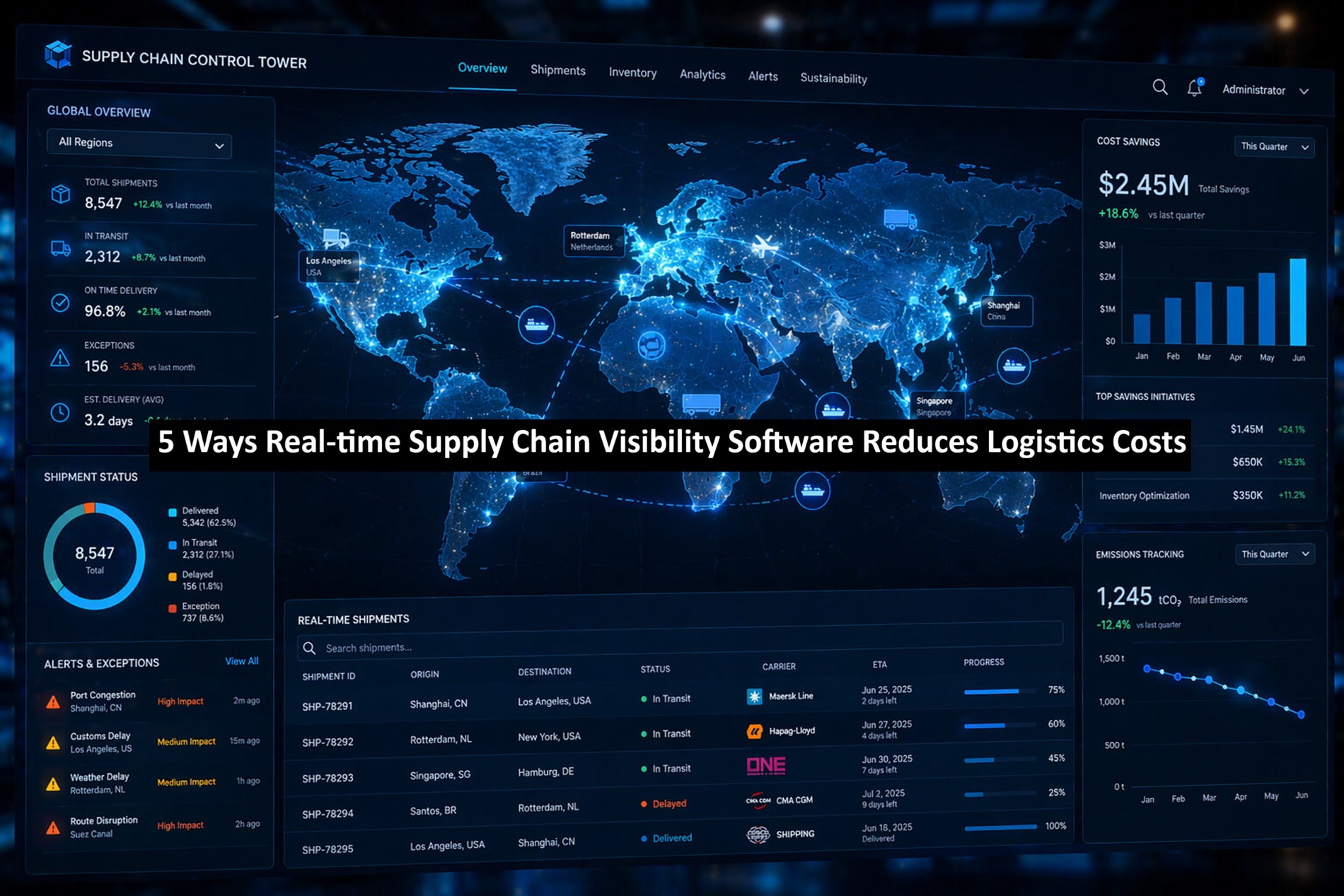
Read: 5 Ways Real-time Supply Chain Visibility Software Reduces Logistics Costs
Assessing Your System First
Organizations should assess their current system architecture, application code, hardware, integrations, data flow, security risks and critical business processes before they evaluate what needs to change. The assessment will show organizations what to do with their existing system. In most cases, organizations will not have to replace their entire system; they can often achieve strong results with less risk by modernizing their system in a targeted manner.
Selecting an Appropriate Modernization Strategy
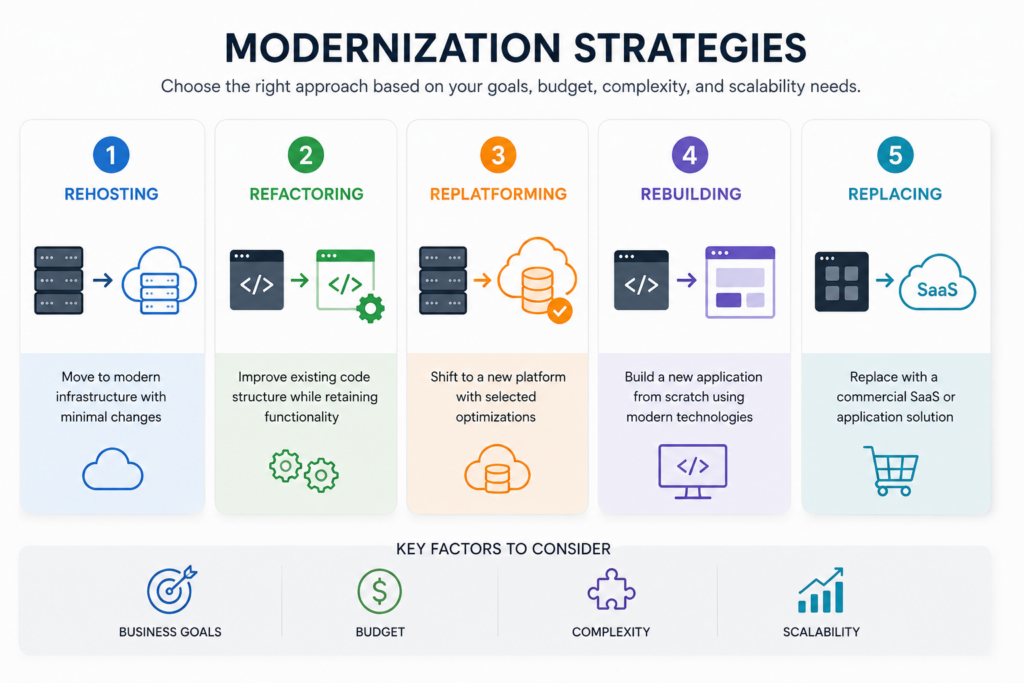
There are a number of methods that can be utilized to modernize legacy software. First, rehosting moves the application into modern infrastructure (e.g. cloud) with minimal code changes. Second, refactoring improves the structure of existing code but retains the functionality of the application. Third, replatforming shifts the application from an older platform onto a new platform, but with selected optimizations made to the application. Fourth, rebuilding an application would involve developing a completely new application from scratch using modern technologies.
Finally, replacing an application would involve moving to either a commercially available SaaS or another commercially available application solution. The right choice for you will depend on the overall business goals of your organization, the available budget for the modernization initiative, the complexity of the existing software application, and your organization’s long-term scalability requirements.
Modernize in Phases
The risks of a complete overhaul at one time (big bang) can be great. A phased approach allows companies to make incremental upgrades while preserving the stability of operations.
A company should begin with the most important or most profitable each item, run both systems concurrently wherever possible, and test each of the phases thoroughly before proceeding to the next phase. This gives employees the time to adjust, reduces downtime, and provides a contingency plan should problems arise.
Maintain Security and Safety for Your Data
Migration of data represents one of the most sensitive aspects of modernisation. Before a full deployment, companies should be creating backups, cleaning and validating data, performing test migrations and validating their results.
Security needs to be considered throughout all phases, including encryption, access control, multi-factor authentication, vulnerability testing and ongoing monitoring—be sure to have good procedures in place!
Assist Users Through Change
Employees, customers, and business processes will all be impacted by modernization. To achieve smooth user adoption, clear communication of the benefits, providing training to users, getting stakeholders involved in the process, and supplying ongoing support following the launch of a new tool will go a long way toward promoting acceptability of an upgrade by users and ultimately increasing user productivity after becoming familiar with the tool being implemented.
Post-Launch: Monitor and Improve
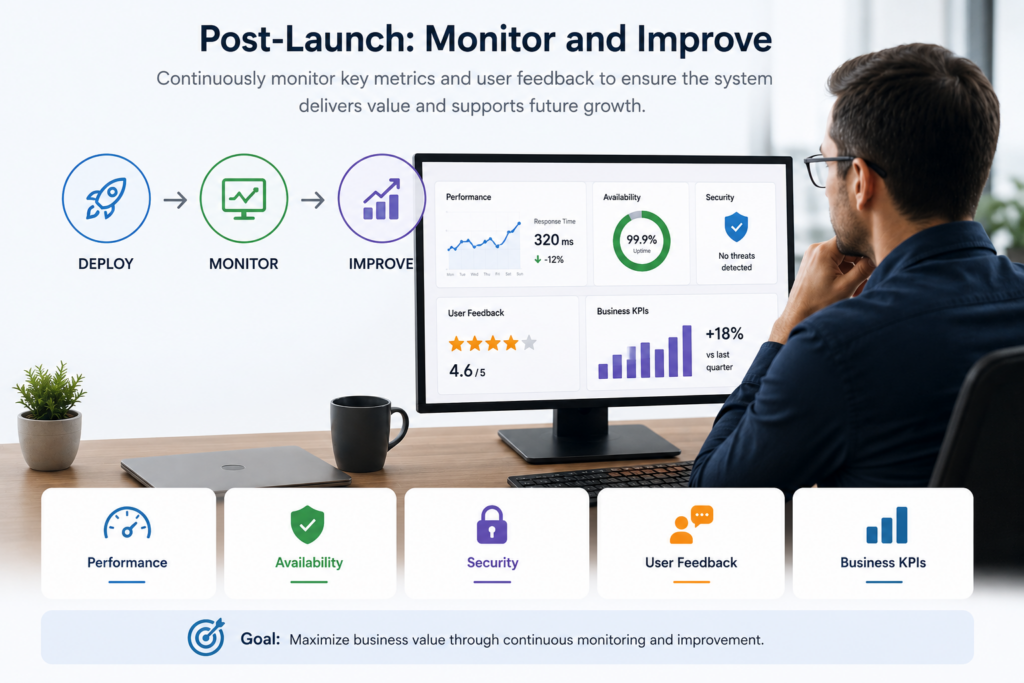
The process of modernising is not completed at the point of deployment. Organisations should monitor application performance, availability, security, user feedback, and business Key Performance Indicators (KPIs) in order to identify how well the new system is meeting the desired business value. Continued improvements to enhance software reliability and support future growth.
Conclusion
Upgrading legacy systems is now essential for an organization to be competitive, secure, and agile. Upgrade processes need not destroy an organization’s business by incurring undue cost impacts associated with disruption to existing operations.
Successful modernization of legacy systems occurs through the use of assessments to identify the best strategy, phased approaches for implementing changes, leveraging cloud technologies and focusing on preserving both the integrity of our data as well as the ability of users to adopt new systems.
Effective modernization programs will recognize that technology upgrades involve business transformational work, rather than just a technology change. The right legacy modernization services can produce modern software architectures that provide the organization with the assurance of its ability to continue operations as normal while accessing additional functionality as needed.